

Get quote
Get Free Consultation!
We are ready to answer right now! free consultation.
Email:ttxxkj888@gmail.com
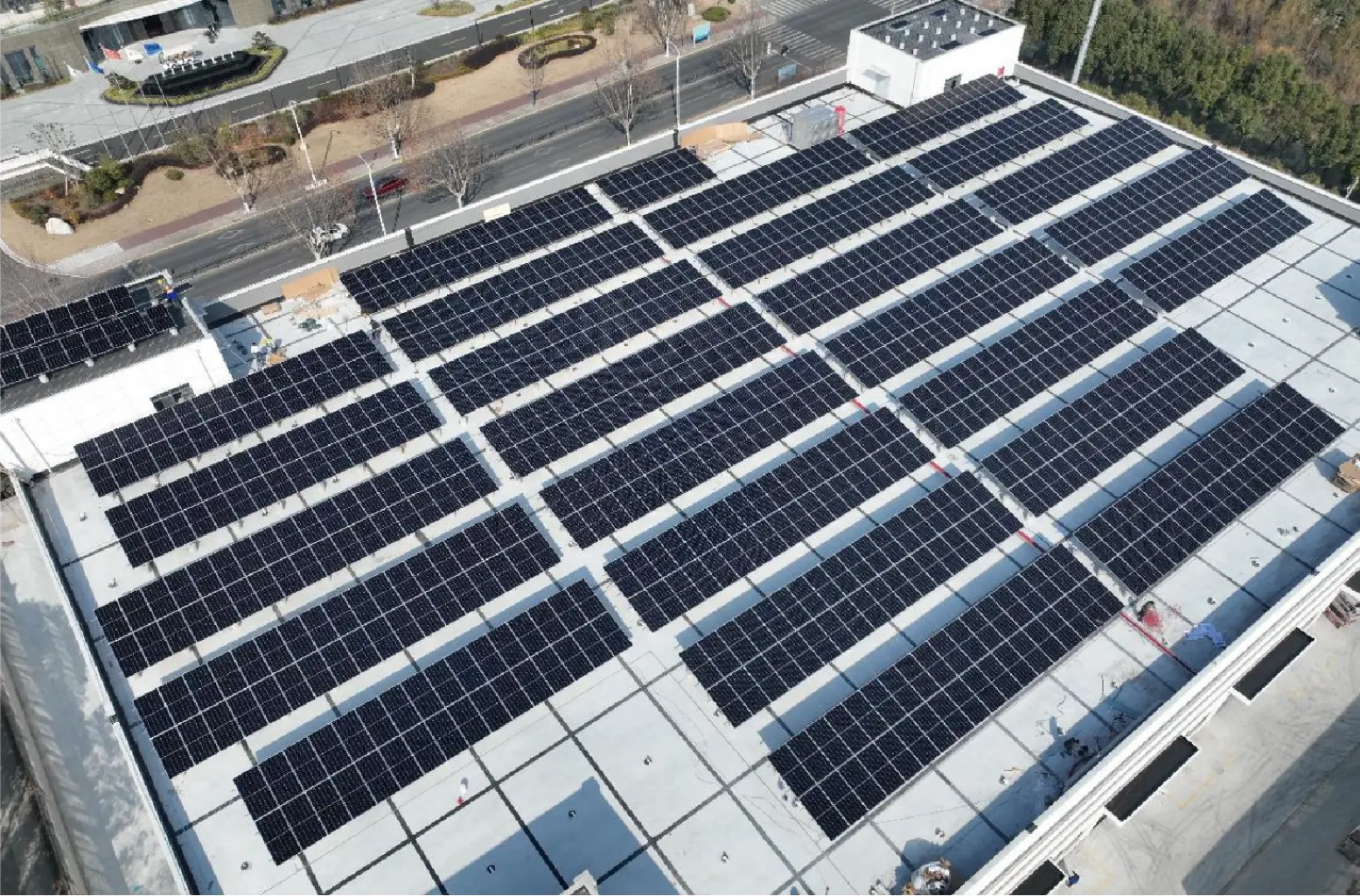
Buyer brief: lithium battery energy storage should be matched to project scale, nightly load, backup duration, cabinet space, communication interface, thermal conditions, packing safety and long-term supply planning.
Lithium battery energy storage becomes important when a lighting project must work through weak-grid conditions, long rainy periods or sites where public power is unreliable. For procurement teams, the decision is not simply choosing the largest battery. The correct system should match load power, discharge time, cabinet space, installation method, communication interface, cycle life, packaging safety and future expansion. Titans Information Technology’s product line covers wall-mounted, stacked, rack-mounted, high-voltage rack-mounted and liquid-cooling high-voltage lithium battery products, which lets buyers choose storage around project scale rather than forcing one format into every site.
Small solar lighting projects may only need compact storage for backup power. Larger municipal lighting systems, equipment rooms and commercial storage projects need modular rack installation or high-voltage architecture. Titans Information Technology publishes both low-voltage pack products and high-voltage modules, so buyers can compare capacity, usable energy, cycle life and cooling method before preparing a purchase list.
| Energy storage product | Typical application | Published capacity examples | Procurement advantage |
|---|---|---|---|
| Wall Mounted Lithium Battery Pack | Home energy storage, compact solar backup, limited-space installation | 48V100AH, 48V200AH, 48V280AH, 48V314AH | Simple wall installation and compact footprint. |
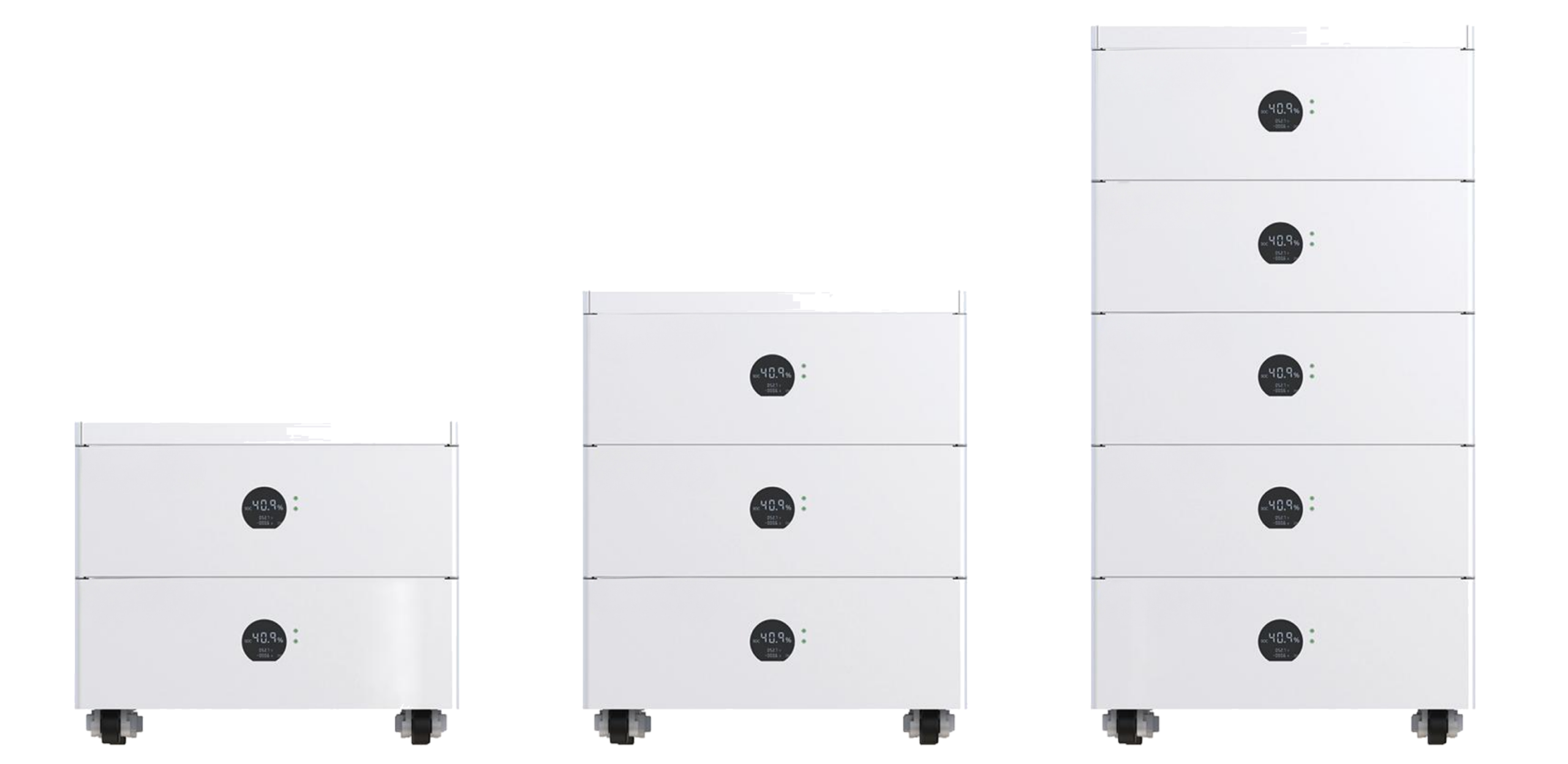
| Stacked Lithium Battery Pack | Residential and small commercial storage with expansion | 51.2V100AH stack configurations from 10240Wh to 30720Wh | Capacity can be expanded by stacking modules. |
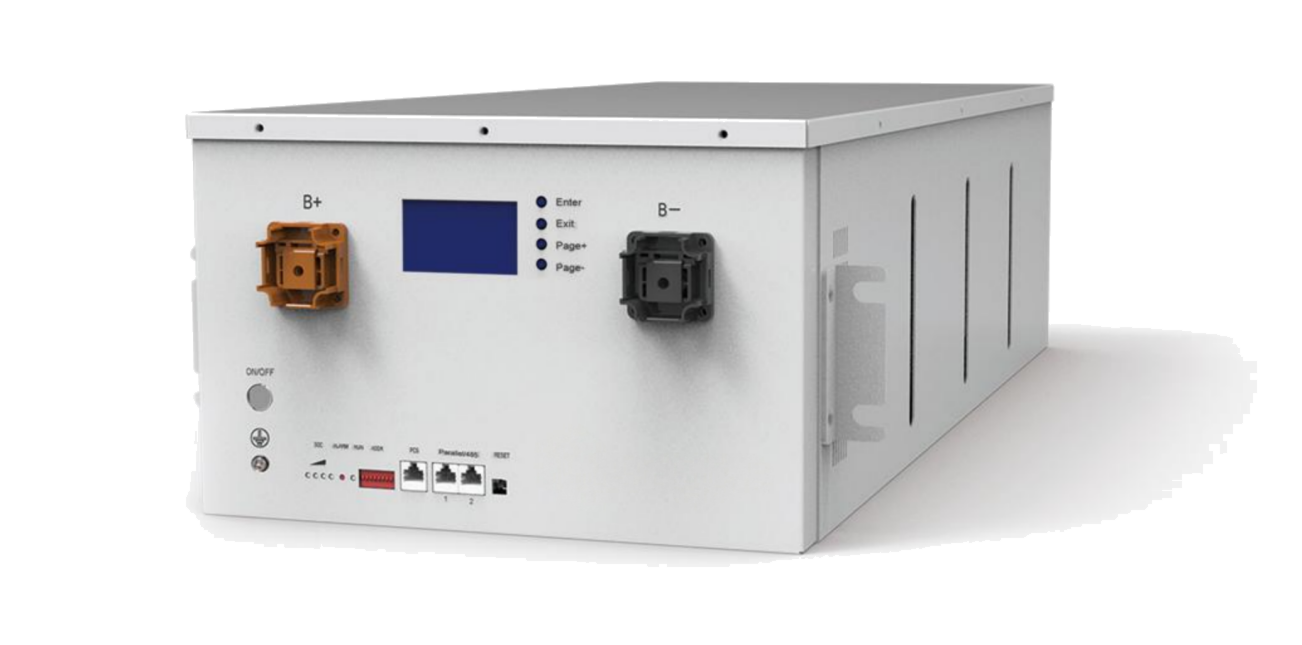
| Rack Mounted Lithium Battery Pack | Solar systems, equipment rooms and backup cabinets | 51.2V100AH, 51.2V200AH, 51.2V280AH, 51.2V314AH | Modular rack layout for organized maintenance. |
| High Voltage Rack-Mounted Lithium Battery Module | Commercial energy storage and scalable battery systems | 48V100AH, 51.2V100AH, 25.6V200AH modules | High-voltage box options support larger systems. |
| Liquid Cooling High Voltage Lithium Battery Module | High-capacity commercial storage where thermal stability matters | 153.6V280AH and 166.4V314AH modules | Liquid cooling helps stabilize operation under demanding loads. |
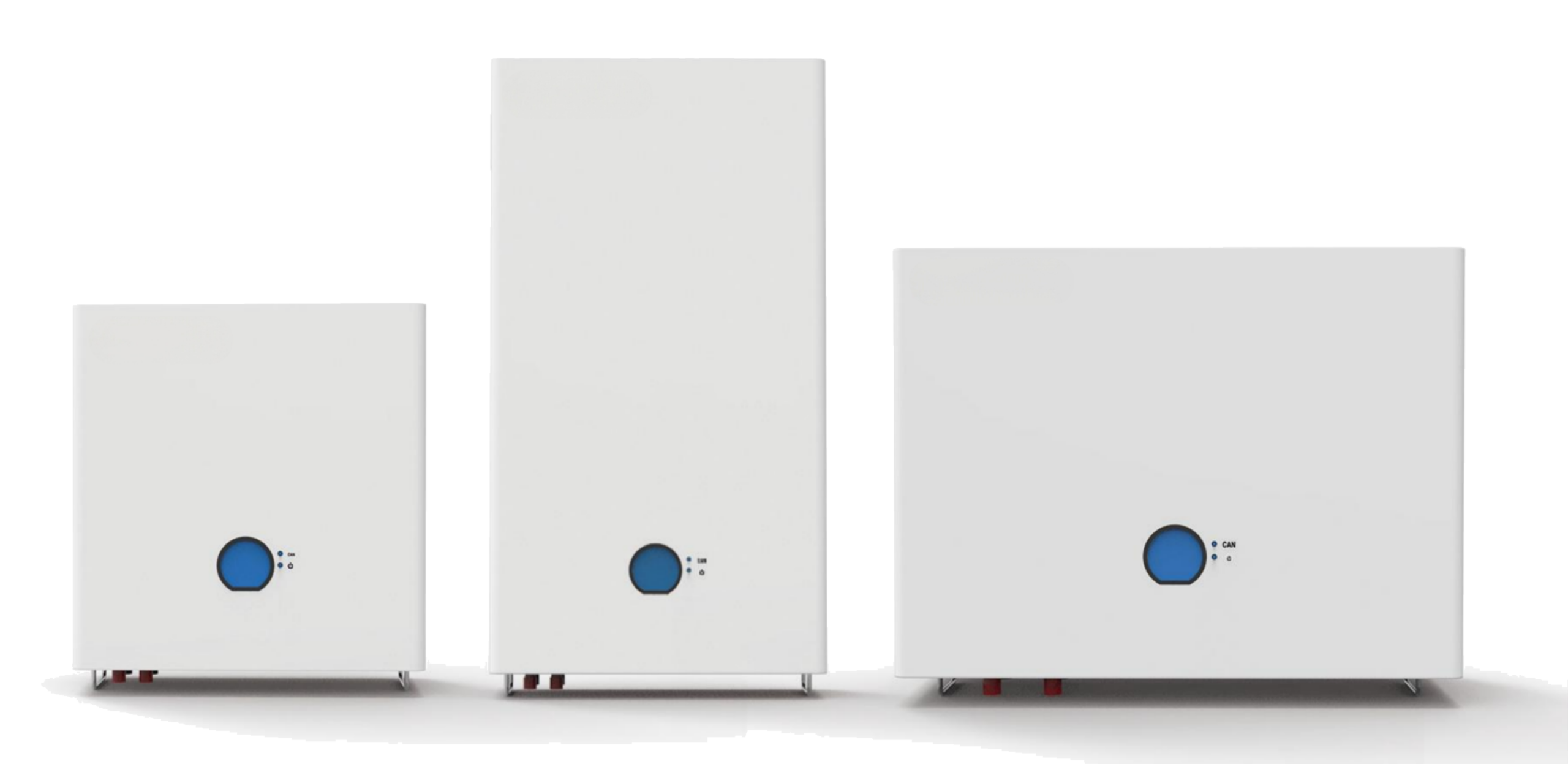
For solar street lighting, storage should be matched to the lighting load and the operating schedule. A 30W or 60W solar street light system may use a smaller lithium battery configuration, while a multi-pole weak-grid project may need centralized backup storage or modular rack-mounted packs. Buyers should calculate nightly consumption first, then add autonomy for weather, conversion loss and battery aging. The purchase should also account for transport regulations and the way batteries will be handled at the job site.
For repeated project procurement, buyers should keep a standard calculation sheet for lamp wattage, working hours, battery depth of discharge, local temperature and expected standby days. This makes it easier to compare wall-mounted, stacked and rack-mounted options across different towns, parks or road sections without changing the whole product plan each time.
The rack-mounted lithium battery pack page lists 51.2V100AH, 51.2V200AH, 51.2V280AH and 51.2V314AH options. Nominal energy ranges from 5120Wh to 16076.8Wh, with usable energy from 4608Wh to 14469.12Wh. The HZR series battery packs are suitable for solar systems, equipment rooms, backup cabinets and modular storage projects. For procurement, rack format is helpful when buyers need clear maintenance access and standardized battery cabinet planning.
The stacked lithium battery pack is suitable when capacity needs may increase after the first installation. The published data shows 51.2V100AH modules combined into configurations from 10240Wh to 30720Wh nominal energy. For small commercial or residential backup applications linked to solar lighting or weak-grid infrastructure, stacked storage lets buyers start with a practical capacity and expand later.
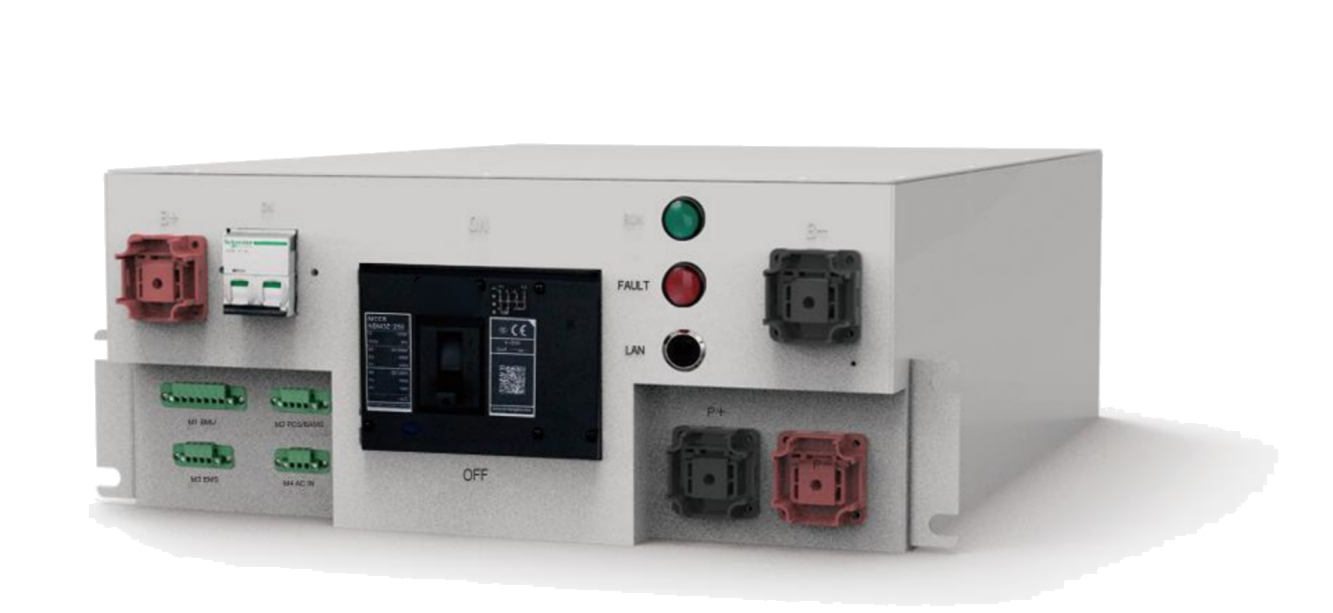
The liquid cooling high voltage lithium battery module supports 153.6V280AH and 166.4V314AH configurations. Nominal energy reaches 43008Wh and 52249.6Wh, with usable energy of 38707.2Wh and 47024.64Wh. Cycle life is listed as at least 6000 cycles at 25 deg C, with RS485/CAN communication. For demanding commercial energy storage projects, thermal control and communication compatibility should be checked early.
Battery products should be packed to reduce impact, moisture and terminal damage during long-distance transport. Each carton, crate or pallet should show model, voltage, capacity, quantity and handling direction. For rack-mounted or high-voltage modules, accessory boxes and communication cables should be separated and labeled. For mixed orders, wall-mounted, stacked, rack-mounted and high-voltage products should not be packed together without a clear installation list.
Contractors often buy storage products together with solar street lights, smart pole modules or LED lighting components. Titans Information Technology’s advantage is that these product lines are already connected on the same site, so buyers can plan a complete road or public-area package: solar lighting, battery storage, smart control and optional IoT modules. That makes model selection, spare parts and batch delivery easier for projects that will be repeated across communities or districts.
Related reading: solar street light system selection and smart pole modules for municipal lighting.
