

Get quote
Get Free Consultation!
We are ready to answer right now! free consultation.
Email:ttxxkj888@gmail.com
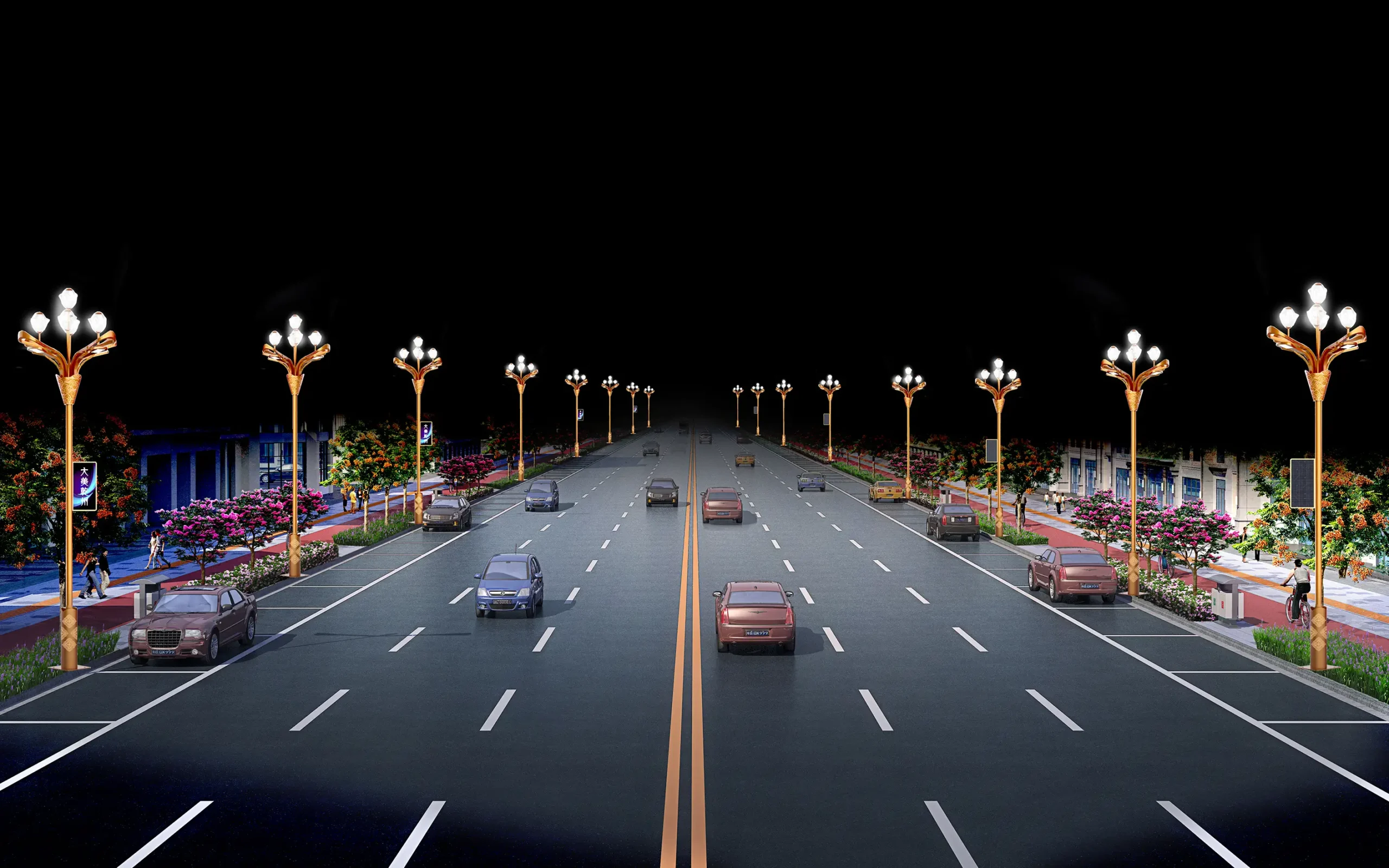
Buyer brief: smart pole modules should be chosen around the project operation target, including lighting control, safety, information release, environmental sensing, wireless access, broadcast and future maintenance.
Smart pole modules should be selected around the operation target, not simply added because they are available. A municipal road may need remote dimming and fault alarms first. A park may need broadcast, emergency intercom and environmental sensing. A commercial district may add LED display, camera monitoring, public Wi-Fi or EV charging. Titans Information Technology’s smart pole range is useful for buyers because it connects lighting control, communication, public information, safety and sensing modules into one outdoor infrastructure system.
Gateway and single lamp controller hardware support remote switching, dimming, monitoring and maintenance.
Camera, IP video intercom and loudspeaker functions support emergency calls, notices and public security.
LED display, outdoor AP, EV charging and environmental monitor modules add public service value.
The first layer of a smart pole project is lighting operation. Titans Information Technology’s Smart IoT Gateway works as the edge communication hub for smart lamp networking. It connects downward to single lamp controllers, sensors and public-service IoT devices, and upward to the cloud management platform. The published gateway page lists an industrial-grade processor, one Gigabit LAN port, five 100-Megabit LAN ports, one SFP port, two RS485 ports and a dedicated lamp dimming control port. For harsh outdoor pole cabinets, the operating temperature range of -35 deg C to 75 deg C and MTBF above 100000 hours are important procurement points.
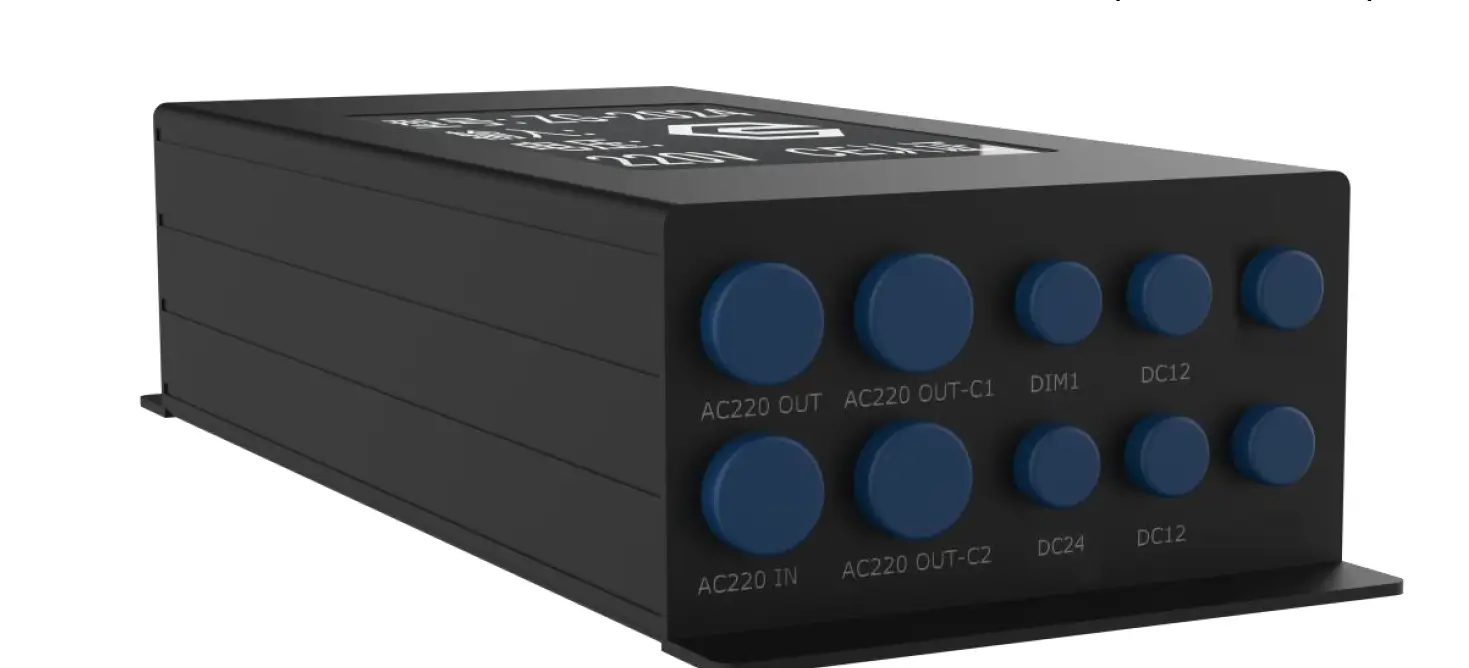
The gateway should be specified when a project needs centralized control, remote maintenance, online fault alarms and data upload. It is not only a network box; it defines how easy the smart pole system will be to maintain after installation. For projects with many poles, buyers should confirm interface count, RS485 device plan, fiber or 4G requirements, cabinet space, power input and platform connection method.
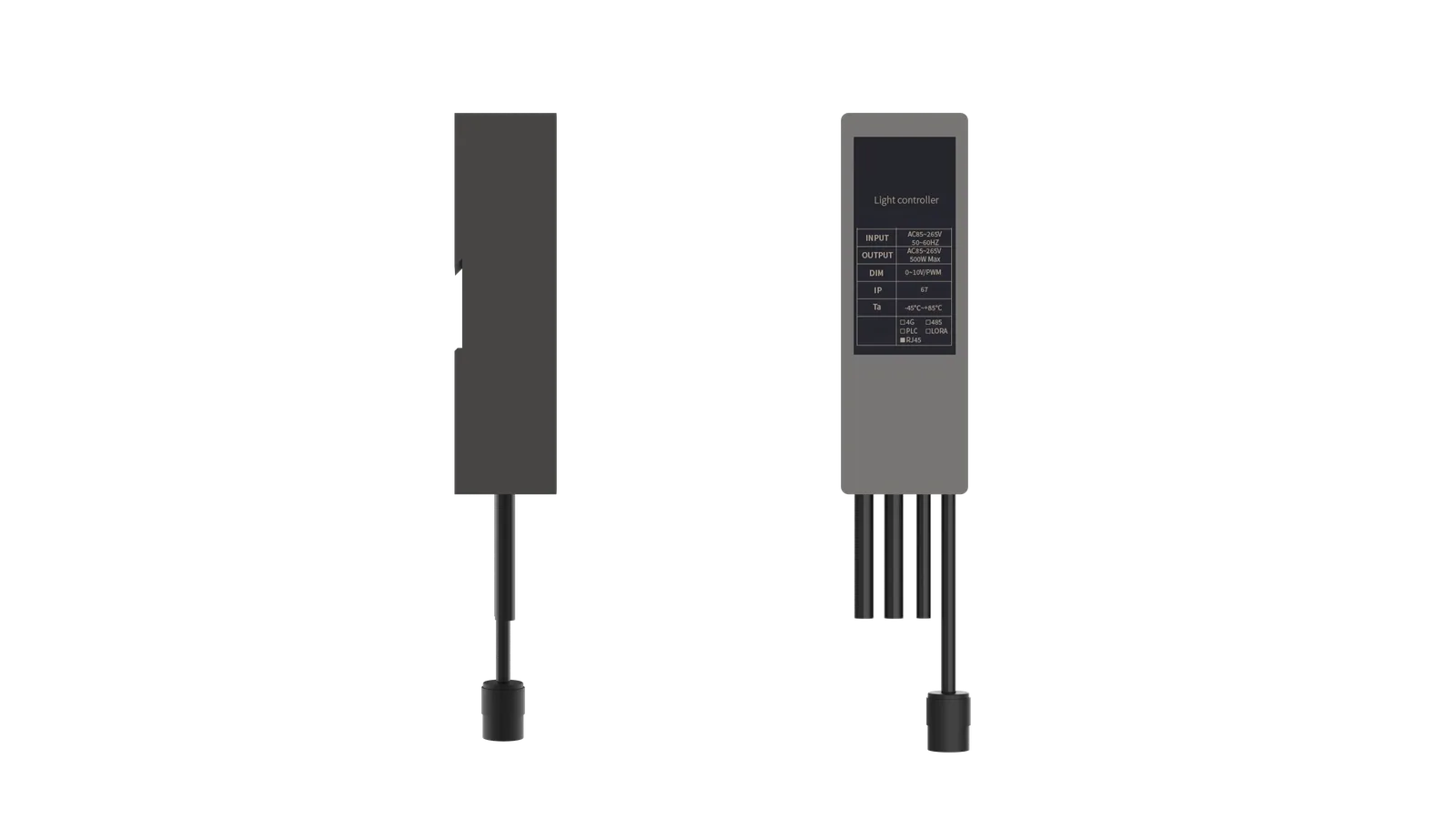
The Single Lamp Controller supports remote switching, dimming, power monitoring and fault alarm. The product page lists AC85-305V input and output voltage, recommended LED load below 500W, one-channel control output, 0-10V default dimming with PWM option, TCP/IP protocol support and RJ45 communication. For procurement, the key question is whether each pole or each lamp head needs independent control and energy data.
After lighting control is clear, buyers can choose public-service modules. A road near schools may need IP video intercom. A park may need IP column loudspeaker and environmental monitoring. A transport area may need LED display for traffic notices. A public square may need outdoor AP and camera monitoring. Because these modules share one pole structure, procurement should consider cable routing, power budget, cabinet layout, network bandwidth and future maintenance access before the first batch is produced.
| Module | Published product page | Main procurement value | Important specification point |
|---|---|---|---|
| Smart IoT Gateway | View Product | Central communication and data upload | Ethernet, SFP, RS485, dimming and temperature range |
| Single Lamp Controller | View Product | Remote dimming and fault alarm | AC85-305V, LED load below 500W, RJ45 communication |
| LED Display Screen | View Product | Public notices and traffic information | P3 outdoor full-color module, 1280 x 640 mm display size, brightness >=5000 cd/m2 |
| IP Video Intercom Terminal | View Product | One-key alarm and two-way communication | DC12V input, PoE support, 720P/1080P video options |
| Environmental Monitor | View Product | Temperature, humidity, wind, particles, noise and illuminance data | DC12V-24V power supply and RS485 integration |

The IP video intercom terminal is relevant when a project needs one-key emergency calls, two-way talk and video confirmation. The published page lists DC12V/1.5A input, PoE IEEE802.3af support, alarm input/output, network interface and camera wide angle of 140 to 160 degrees. For parks, campuses and public roads, the purchase should include the terminal and master station plan, not only the faceplate device.
The environmental monitor page lists sensing options for temperature, humidity, wind speed, wind direction, PM2.5, PM10, noise and illuminance. Buyers should confirm which monitoring data is actually needed by the city platform. Too many unused sensors increase cost and maintenance burden; the better approach is to match the module to the project operation plan.
For smart pole modules, batch inspection should include visual finish, connector check, power-on testing, communication testing, cable labeling, firmware version confirmation and accessory count. If the project includes LED display, speaker, intercom and environmental sensor modules, each function should be tested before shipment and again after assembly into the pole.
For distributors and contractors, the safest purchase plan is to standardize a few module combinations: a basic lighting-control pole, a safety pole with camera and intercom, and a city-service pole with display, AP, speaker or environmental monitoring. That makes stock planning, spare parts and after-sales service easier across multiple public projects.
Related reading: solar street light system selection and lithium battery energy storage for solar lighting.
